
Links may earn a small commission at no cost to you. Thank you for supporting my small business!
If you are looking for a budget-friendly way to boost engagement and reward your students, I have a new discovery to share! Lately, I’ve been obsessed with using Mini Resin Animals, aka ‘desk pets.’
I’ve purchased two different sets from Amazon so far, and the quality has been excellent. You can find the sets I use here, along with storage boxes for students to keep at their desk:
- Set 1: 80 Mini Resin Animals
- Set 2: 150 Mini Resin Animals
- Set 3: 300 Mini Resin Animals
- Mini Clear Storage Boxes: Set of 100
- Clear Acrylic Boxes: Set of 36
These tiny figurines have quickly become a staple in my classroom. Here is how I’m using them and a few tips I’ve learned along the way!
How We Use Them in the Classroom
1. Interactive Geography Instead of just pointing at a map, my students each get an animal “traveler.” As I call out different locations or coordinates, they move their animal across their maps. It makes a dry lesson feel like an adventure!
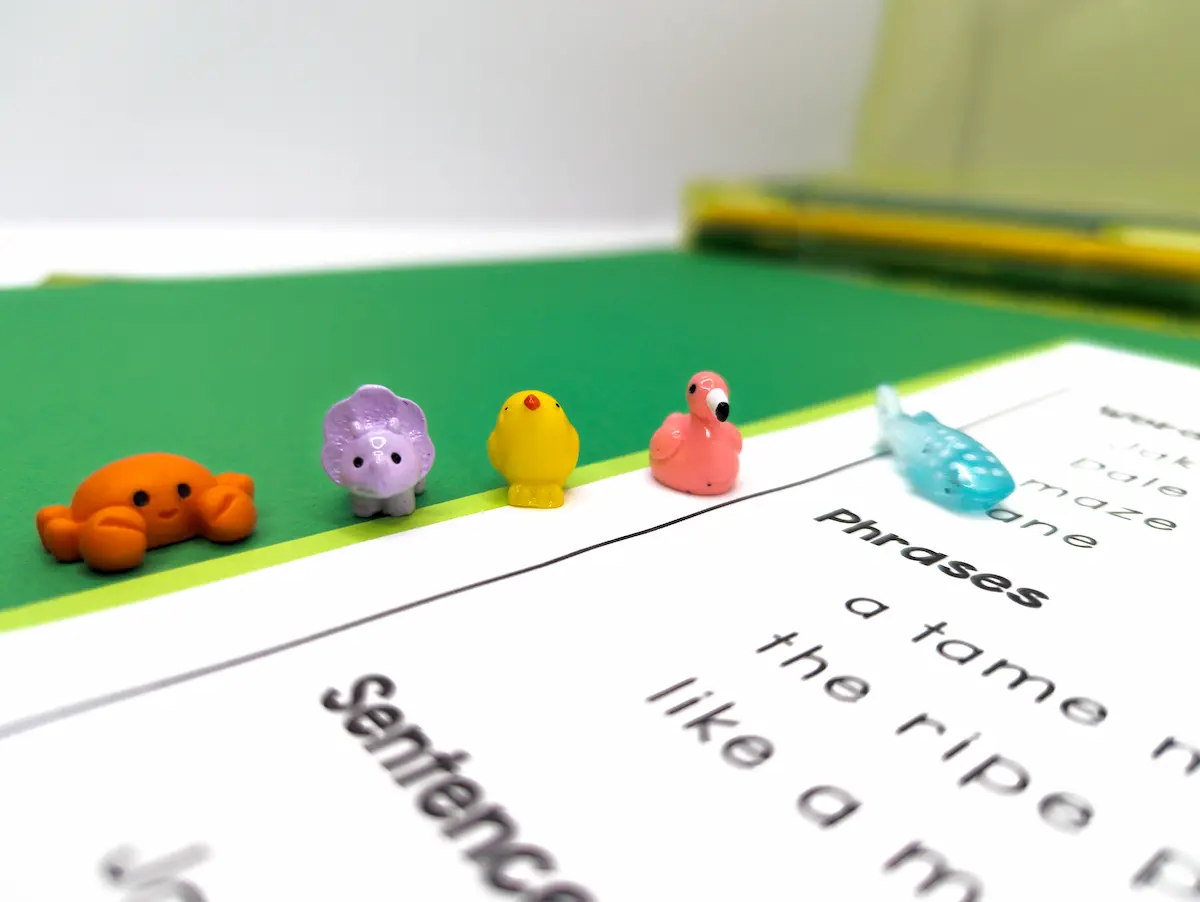
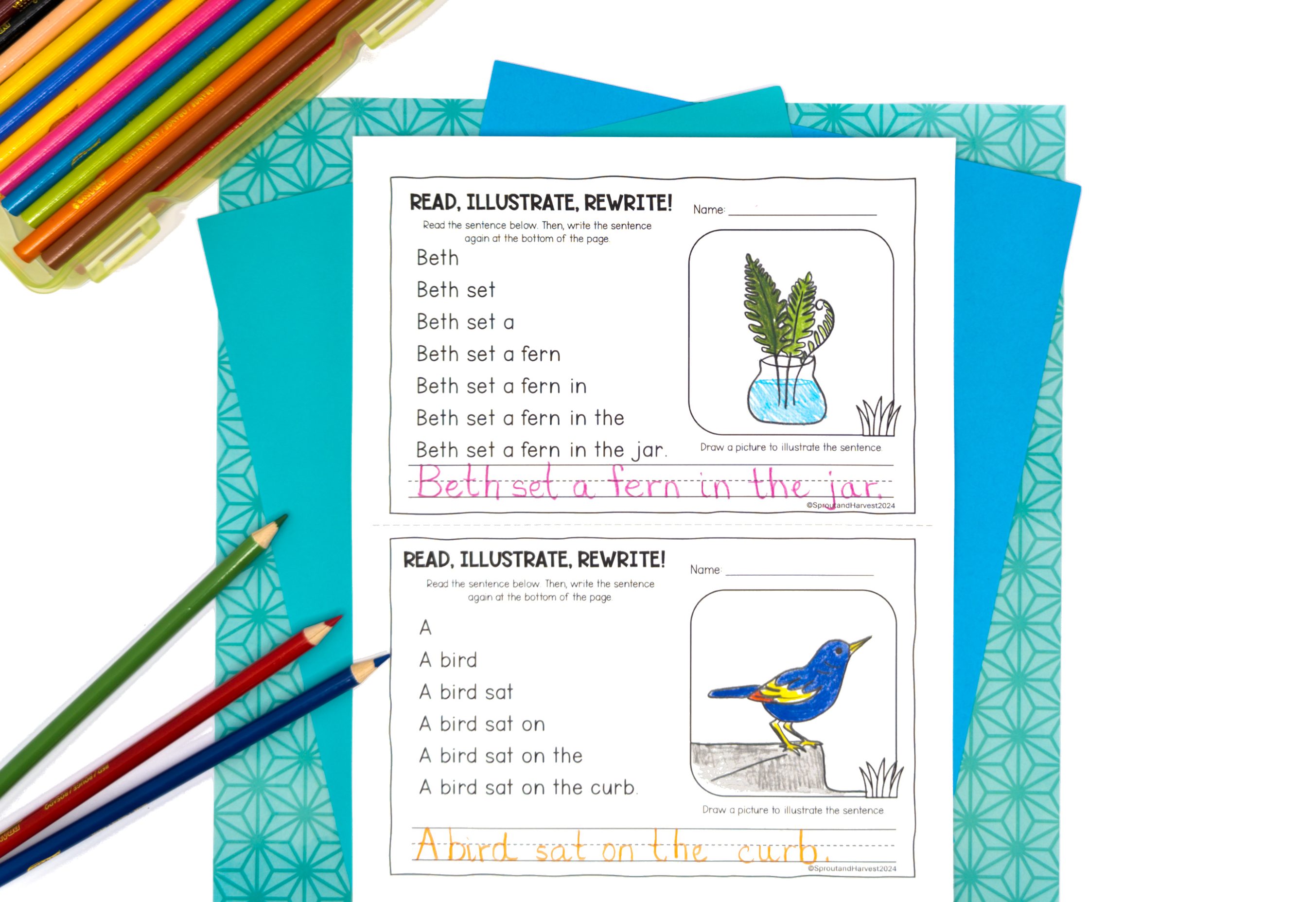
2. Literacy & Fluency Placeholders Reading can be tough for some students to track. We use these little guys as placeholders on fluency worksheets and word lists. As the students move down the page, their animal “walks” with them to keep their place.
3. Science Sorting We’ve used the variety in these packs for science lessons by having students categorize their animals based on the Animal Kingdom (mammals, reptiles, amphibians, etc.).
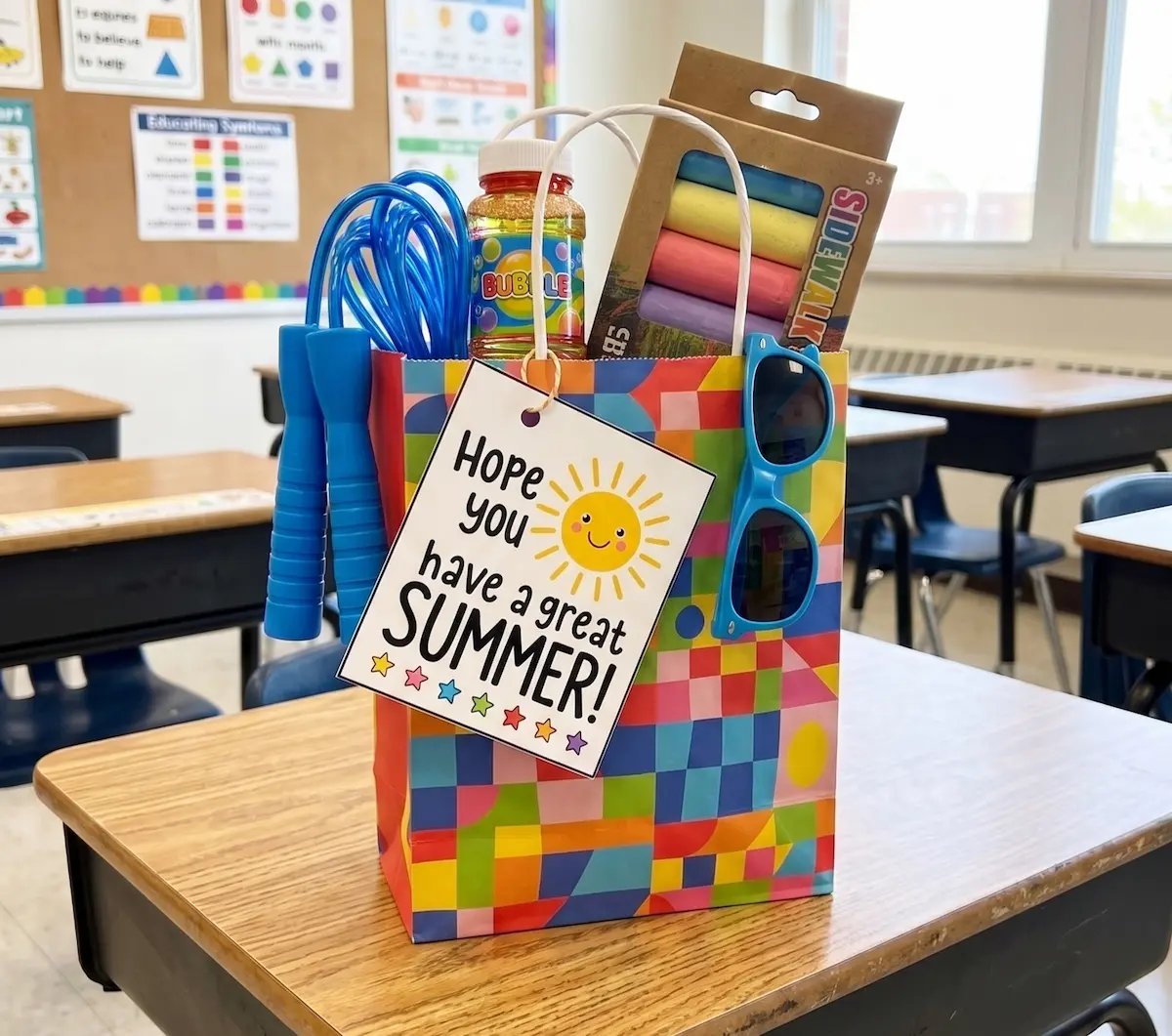
4. Games and Rewards They make the perfect game pieces for small-group board games. Of course, they are also my go-to “quick prizes” for students who show great sportsmanship, use their manners, or answer a tough question correctly. I even included them in my holiday goodie bags!

My Top 3 Tips for Success
After a few weeks of using these, I’ve learned how to manage the “tiny animal chaos”:
- The “Handful” Rule: Whatever you do, don’t let the kids dig through the whole bag to pick their favorite. They will take forever to decide! Instead, I give them a small handful of 4 or 5 to choose from, and the rest get returned.
- The “Distraction” Limit: Less is more. I once gave students five animals each to track five different countries on a map, and it was a mistake—they just wanted to play! Stick to one or two at a time during active lessons.
- The Safety Check: A few animals in the bags are exceptionally tiny. I usually pull those out beforehand so they don’t get lost (or stepped on!).
My students have started their own little collections of the ones they’ve earned, and it’s become such a sweet classroom tradition.

5 More Creative Ways to Use Your Mini Animals
If you grab a bag for your classroom, here are five more ways to put them to work:
- Desk Pets (Behavior Management): Give each student one animal to sit on the corner of their desk. The “pet” only stays if the student is working quietly. If they get too rowdy, the pet goes to “daycare” (my desk) for a break.
- Estimation Jars: Fill a small clear jar with a random number of animals. Have students submit “guesstimates.” The closest guess wins a special animal of their choice!
- Creative Writing Prompts: Have a student pick two random animals (like a penguin and a lion) and write a short story about how those two became friends.
- Math Manipulatives: Use them to bring multiplication word problems to life! Instead of abstract numbers, try creating “Equal Group” stories. For example: “If there are four lily pads and each lily pad has three frogs on it, how many frogs are there in all?” It makes visualizing 4 x 3 much more engaging than using standard plastic cubes!
- Hidden “Finders” (Brain Breaks): Hide 5–10 specific animals around the room in plain sight. During a transition, the first ones to “spot” them with their eyes get a point for their team.

Image credits: Photos are from my personal collection.
References
Edutopia. (2018). Inspiring Learning Through Incentives. ➡️ https://www.edutopia.org/blog/inspiring-learning-through-incentives-kathleen-decker Edutopia
Yogman, M., et al. (2018). The Power of Play: A Pediatric Role in Enhancing Development in Young Children. ➡️ https://publications.aap.org/pediatrics/article/142/3/e20182058/38649/The-Power-of-Play-A-Pediatric-Role-in-Enhancing American Academy of Pediatrics
Edutopia. (2020). The Math Manipulatives Hiding in a Junk Drawer. ➡️ https://www.edutopia.org/article/math-manipulatives-hiding-junk-drawer/ Edutopia




Leave a Reply